admin
admin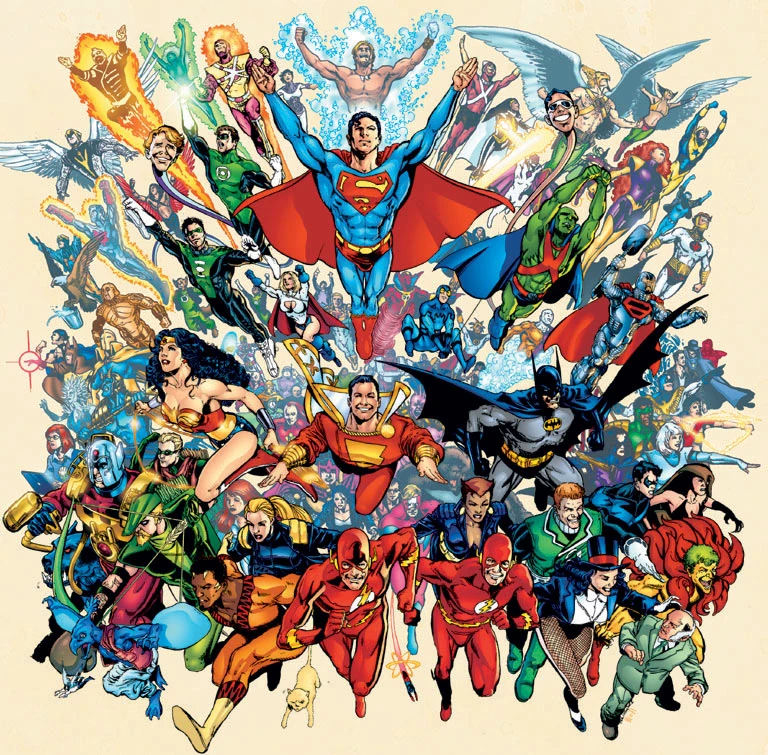
Introduction
If you’ve ever typed “where do I start with Detective Comics (DC) DC Universe movies” into a search bar, you already know how confusing the answers can get. One person tells you to watch everything in release order, another sends you a complicated chart with alternate timelines, and a third just says “skip most of it and watch The Dark Knight.” The truth is that DC’s film universe isn’t one single connected timeline — it never was — and once you understand how it’s actually divided, the whole thing becomes a lot easier to navigate.
This guide covers every DC Universe film across all four categories: the Nolan Era, the DCEU, DC Universe Elseworlds, and the New DCU. Whether you’re starting from scratch or just trying to figure out what comes after Superman (2025), this is the only guide you need.
DC Universe Movies Worth Watching?
Yes — but with realistic expectations depending on which era you’re walking into.
The Nolan Era is genuinely some of the best superhero filmmaking ever put on screen. The DCEU is a mixed bag that swings between inspired and messy, sometimes within the same film. Elseworlds gave us a Joker film that won an Oscar and a Batman movie that felt like a proper crime thriller. The New DCU, still in its early days, is showing genuine promise under James Gunn’s direction.
There’s no single “DC movie experience” — there are four of them, each with its own tone, its own rules, and its own starting point. That’s actually what makes it worth exploring. No other superhero franchise gives you this much creative range across its catalogue.
The Story
DC’s film history is a story of restarts as much as it is one of superheroe. For decades, DC characters lived on screen mostly in standalone films, with no shared universe connecting them. Christopher Nolan changed what a superhero film could be with his Batman trilogy starting in 2005. Warner Bros. then tried to build a Marvel-style connected universe with the DCEU starting in 2013, with varying results. Alongside the DCEU, standalone Elseworlds films were released that had no connection to the main continuity. And from 2025 onwards, James Gunn and Peter Safran’s New DCU is building an entirely fresh shared universe from the ground up.
Each era has its own identity. The Nolan films are grounded, psychological, and rooted in realism. The DCEU is visually ambitious, narratively uneven, and built on a foundation that was partly course-corrected along the way. Elseworlds is the creative sandbox — darker, more character-focused, and free from shared universe obligations. The New DCU is still writing its own story.
What Works: The Strengths of DC Universe Movies
- The Nolan trilogy remains the gold standard for grounded superhero storytelling. The Dark Knight in particular holds up as one of the best films in the genre, full stop, with Heath Ledger’s Joker performance still unmatched two decades later.
- DC’s willingness to take creative risks pays off more often than it gets credit for. Joker (2019) was a character study in the vein of Scorsese rather than a typical superhero film, and it worked. The Batman (2022) was a gothic detective noir, and it worked. These are films that wouldn’t exist under a more conservative creative strategy.
- The visual ambition across the DCEU is genuinely impressive. Even the films that don’t land narratively, films like Batman v Superman or Aquaman, are visually striking in a way that sets DC apart.
- Individual performances across all four eras have been exceptional. From Christian Bale’s Bruce Wayne to Joaquin Phoenix’s Arthur Fleck to Gal Gadot’s Wonder Woman to Viola Davis’s Amanda Waller, DC has consistently attracted and drawn strong work from serious actors.
- The New DCU is starting with more creative clarity than the DCEU ever had. Superman (2025) set a confident, hopeful tone that signals a cleaner direction going forward.
What Doesn’t Work: Where DC Universe Movies Falls Short
- The DCEU suffered badly from trying to rush a shared universe. Marvel spent years building toward The Avengers. DC tried to get to Justice League in four films, and the seams showed throughout the middle of that era.
- Tonal inconsistency inside the DCEU is a real issue. Some films leaned into Zack Snyder’s dark, operatic style. Others pivoted toward lighter, more comedic territory. The two approaches never fully blended, leaving the overall DCEU feeling like several different creative visions fighting over the same shared world.
- A handful of films are genuinely hard to defend. Suicide Squad (2016), Wonder Woman 1984, Shazam! Fury of the Gods, and Black Adam all received mixed-to-poor critical receptions, and they earned that reception.
- Joker: Folie à Deux (2024) disappointed almost everyone. A widely anticipated sequel to one of DC’s most acclaimed films turned into a divisive musical drama that most audiences and critics felt didn’t justify its own existence.
Direction & Technical Breakdown
| Era | Direction Style | Visual Identity | Consistency |
|---|---|---|---|
| Nolan Era | Grounded, psychological, realistic | Dark, practical, city-noir | Excellent across all three films |
| DCEU | Mixed, Snyder-led early, broadened later | Grand, mythic, visually ambitious | Highly inconsistent |
| DC Elseworlds | Auteur-led, character-first | Dark, stylized, prestige-cinema feel | Strong in The Batman, weak in Joker: Folie à Deux |
| New DCU | James Gunn, warm, character-driven | Brighter, more balanced tone | Too early to fully judge, strong start |
How Does It Compare?
The most obvious comparison is Marvel’s MCU, which built a more consistent shared universe across a longer stretch of time. The MCU has more narrative coherence, especially across its Phase 1–3 run. DC counters with more creative ambition in individual films — no MCU film has attempted what The Dark Knight or Joker attempted in terms of tone and genre.
DC’s Elseworlds model also gives it something Marvel doesn’t have: a dedicated lane for standalone films that don’t need to connect to anything else. That’s genuinely unique in modern superhero cinema, and it’s produced some of the most interesting films in the genre.
If Marvel wins on connectivity and consistency, DC wins on creative range. The ideal viewer watches both.
OTT Release — When & Where to Watch
The vast majority of DC Universe films are available on Max (HBO Max) in the United States, which is the primary streaming home for Warner Bros. theatrical releases. Amazon Prime Video carries several DC Universe titles, and individual films are available to rent or purchase on Apple TV, Google Play, and Amazon Video.
A few specific notes:
- The Nolan Batman trilogy is on Max and Peacock, with rental options on all major digital platforms.
- Joker (2019) and The Batman (2022) are both on Max.
- Superman (2025) is streaming on Max following its theatrical run.
- Older DCEU titles like Man of Steel, Wonder Woman, and Aquaman are all on Max.
Watch Order for DC Universe Movies
The DC Universe is divided into four separate categories. Here is each one, with a count, a starting point, and the complete film list in the exact order to watch them.
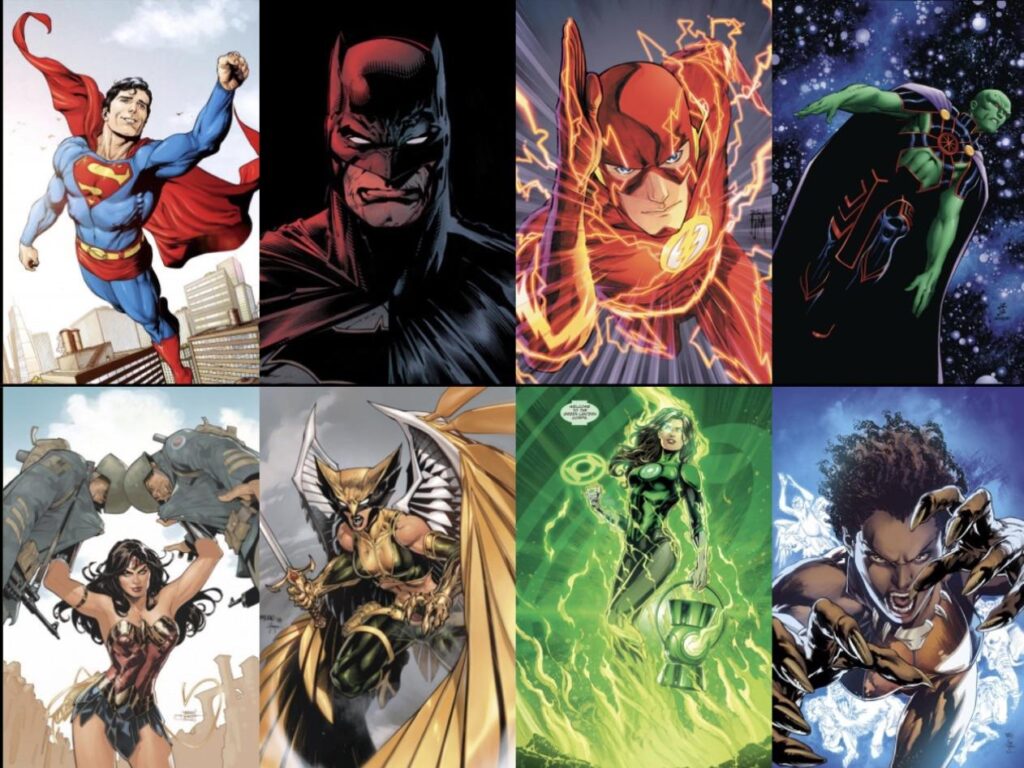
1. Nolan Era — 3 Movies
How many movies? 3 films, all released and complete.
How do I start? Start with Batman Begins (2005). This is a complete, self-contained trilogy. Watch them in release order and do not skip any. All three films build directly on each other.
How do I watch them? Release order, back to back.
| # | Movie | Year |
|---|---|---|
| 1 | Batman Begins | 2005 |
| 2 | The Dark Knight | 2008 |
| 3 | The Dark Knight Rises | 2012 |
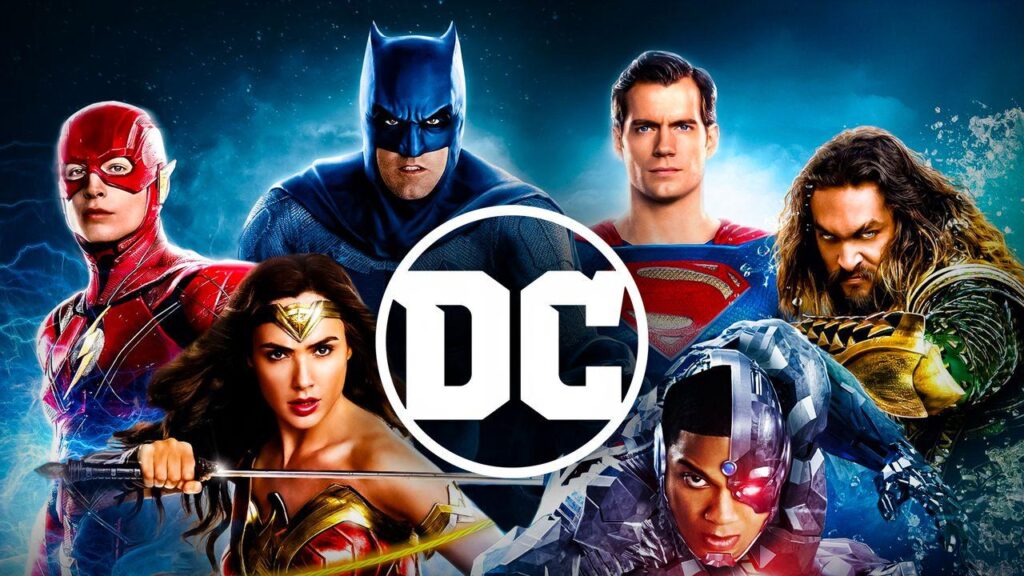
2.DCEU — 16 Movies
How many movies? 16 films released as part of the DCEU’s main shared continuity.
How do I start? Start with Man of Steel (2013). This is the film that launched the shared universe and introduced Henry Cavill’s Superman. Follow in the release order below — some films feel optional later in the run, but watching them in order helps the overall continuity make sense.
How do I watch them? Release order. Note that Zack Snyder’s Justice League (2021) is the director’s cut of Justice League (2017) — you can watch either version, but Snyder’s cut is the more complete telling of that story.
| # | Movie | Year |
|---|---|---|
| 1 | Man of Steel | 2013 |
| 2 | Batman v Superman: Dawn of Justice | 2016 |
| 3 | Suicide Squad | 2016 |
| 4 | Wonder Woman | 2017 |
| 5 | Justice League | 2017 |
| 6 | Aquaman | 2018 |
| 7 | Shazam! | 2019 |
| 8 | Birds of Prey | 2020 |
| 9 | Wonder Woman 1984 | 2020 |
| 10 | Zack Snyder’s Justice League | 2021 |
| 11 | The Suicide Squad | 2021 |
| 12 | Black Adam | 2022 |
| 13 | Shazam! Fury of the Gods | 2023 |
| 14 | The Flash | 2023 |
| 15 | Blue Beetle | 2023 |
| 16 | Aquaman and the Lost Kingdom | 2023 |
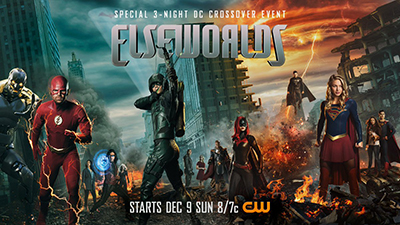
3.DC Elseworlds — 4 Movies (3 Released, 1 Upcoming)
How many movies? 4 films total — 3 released, 1 in production.
How do I start? Start with Joker (2019). These films are completely standalone and have no connection to the DCEU or New DCU. You can watch them in any order, but release order is the cleanest way to go.
How do I watch them? Each film stands alone. No shared continuity to follow, no post-credits scenes connecting them to other films. Just watch them in release order.
| # | Movie | Year |
|---|---|---|
| 1 | Joker | 2019 |
| 2 | The Batman | 2022 |
| 3 | Joker: Folie à Deux | 2024 |
| 4 | The Batman: Part II | Upcoming |
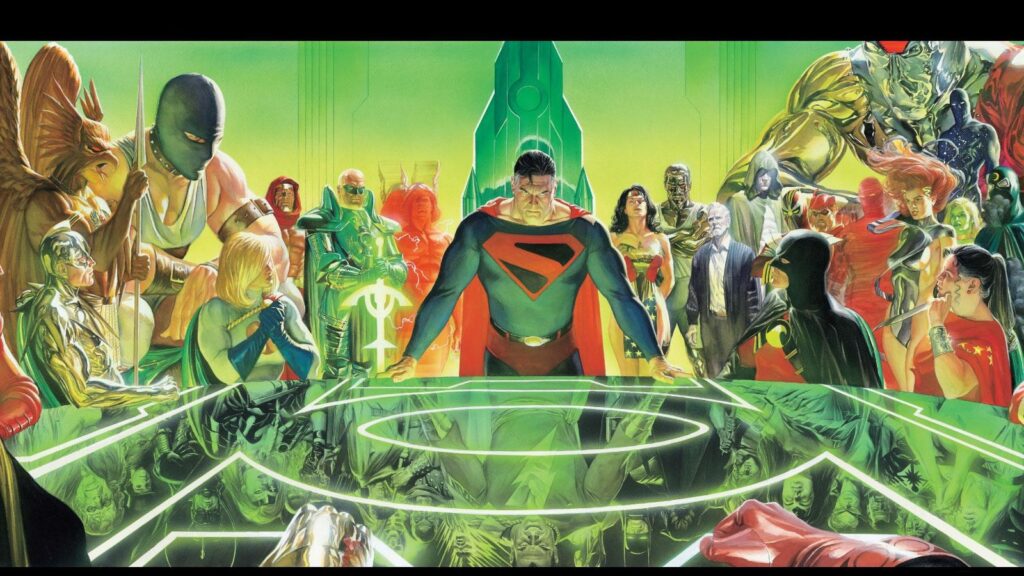
4.New DCU — 9 Projects (Released & Announced)
How many movies? 9 projects announced under James Gunn and Peter Safran’s DCU slate — including films with confirmed release years and several still in development.
How do I start? Start with Superman (2025). This is the official launch of the New DCU and the film James Gunn designed as the foundation for everything that follows.
How do I watch them? Release order as they arrive. The New DCU is a connected shared universe, so watching in order will matter more as the slate expands.
| # | Movie / Project | Year |
|---|---|---|
| 1 | Superman | 2025 |
| 2 | Supergirl: Woman of Tomorrow | 2026 |
| 3 | Clayface | 2026 |
| 4 | Man of Tomorrow | 2027 |
| 5 | Batman: The Brave and the Bold | Upcoming |
| 6 | Teen Titans | Upcoming |
| 7 | The Authority | Upcoming |
| 8 | Swamp Thing | Upcoming |
| 9 | Bane & Deathstroke Project | Upcoming |
Who Should Watch DC Universe Movies?
Watch it if you,
- Love superhero films and want to explore the full range of what the genre can do
- Are interested in darker, more character-driven takes on comic book heroes (Nolan Era, Elseworlds)
- Want to get in early on the New DCU while it’s still in its opening chapters
Skip it if you,
- Need a completely consistent, seamless shared universe with no rough patches (the DCEU middle period will frustrate you)
- Are looking for a single, unified “DC story” — these four eras each require a separate investment
- Aren’t a fan of superhero films in any form, since DC’s range doesn’t extend far outside the genre
Final Verdict
DC’s film catalogue is messier than Marvel’s, more ambitious than most, and more rewarding than its reputation often suggests. The Nolan trilogy is essential cinema regardless of whether you like superhero films. Elseworlds gave us Joker and The Batman, two of the most creatively bold films the genre has produced. The DCEU had real peaks between its valleys. And the New DCU is building something that already feels more focused and intentional than the DCEU ever managed.
The four-category structure is the key to enjoying all of it. Once you stop trying to fit everything into one connected story and treat each era on its own terms, DC becomes one of the most interesting film catalogues in modern Hollywood.
Quick FAQ: DC Universe Movies
FAQ: How many DC Universe movies are there in total? A: Across all four categories — Nolan Era (3), DCEU (16), DC Elseworlds (4 including upcoming), and New DCU (9 announced) — there are currently 32 total projects, with several more still in development or without confirmed dates.
FAQ: Which DC movie should I watch first as a complete beginner? A: Start with Batman Begins (2005) if you want the Nolan trilogy, or Man of Steel (2013) if you want the DCEU. If you want the single best DC film with no context needed, start with The Dark Knight (2008) — it works perfectly on its own.
FAQ: Are the Nolan Batman films connected to the DCEU or New DCU? A: No. The Nolan trilogy is entirely standalone and has no connection to the DCEU, Elseworlds, or the New DCU. It is its own self-contained story.
FAQ: Where can I stream all DC movies? A: Max (HBO Max) is the primary home for DC films in the US. Several titles are also on Peacock and Amazon Prime Video, with rental and purchase options on Apple TV and Google Play.
FAQ: Is the New DCU connected to the DCEU? A: No. The New DCU, starting with Superman (2025), is a completely fresh start with a new cast and new continuity. Nothing from the DCEU carries over into the New DCU.